Explore the ICJ’s historic decision on Myanmar, its implications for the Rohingya, and its significance for global genocide prevention and state accountability.
An online roundtable hosted by the ANU Myanmar Research Centre and CEVAW
Time: 5.30-7pm AEDT, 1.30-3pm TST; 1-2.30pm MST; 12.30-2pm BST
On 19 November the International Criminal Court (ICJ) decided that Myanmar has violated the Genocide Convention. The decision is hugely significant not only for the Rohingya and for Myanmar but also has ramifications for efforts to prevent and punish genocide globally. The Gambia brought the case because of the mass killing, rape, torture and otherwise assault of Rohingya townsfolk and villagers, along with the arson and destruction of homes, mosques, shops and crops in 2017, and systemic violence since. In the meantime, Myanmar has gone from partly elected government led by the National League for Democracy (NLD) to military dictatorship and the establishment, through sham elections, of a military controlled legislature. Both the NLD government and its military successors have refuted the now proven charge of genocide. Internationally, the scene looks very different today from almost a decade ago. Israel is widely viewed among experts as perpetrating genocide in Gaza. The United States has launched a campaign to dismantle the International Criminal Court 'brick by brick' and undermine the foundations of international law. Its allies like Australia insist that they remain committed to the rules-based order but have done little to defend it.
What has the ICJ decided? What does it mean for Myanmar? For over a million Rohingya refugees in Bangladesh and hundreds of thousands of others around the world? How has the decision been received? What might its effects be for global efforts to prevent genocide and hold all state perpetrators of the crime to account — regardless of race or nationality? Join us at this online roundtable to discuss these and other urgent questions about this historic decision.
Speakers:
-
Jonathan Liljeblad, Associate Professor, ANU College of Law, Governance and Policy
-
Khin, Rohingya community member
-
Matthew Schissler, Lecturer in Buddhist Studies, University of Melbourne
-
Ntina Tzouvala, Associate Professor, UNSW School of Global and Public Law
-
Tun Aung Shwe, Representative of the National Unity Government to Australia
-
Zar Li Aye, Legal Advisor at the International Commission of Jurists
-
Zoe Bell, Research Fellow, Centre of Excellence on the Elimination of Violence Against Women (CEVAW)
Chaired by Nick Cheesman, Director, ANU Myanmar Research Centre
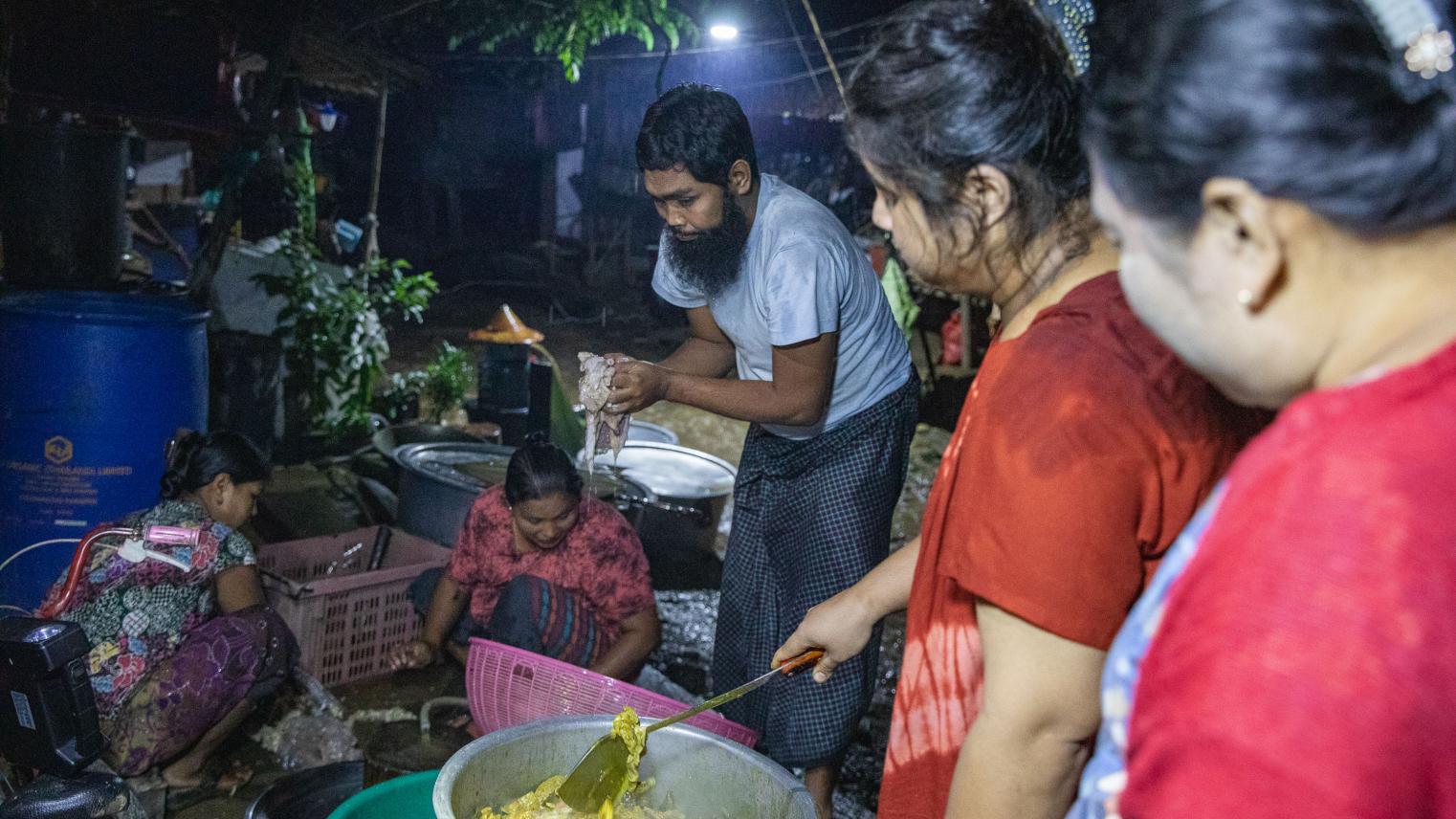
Photo credit: Rohingya refugee, image by Shakeel.
This roundtable is in part supported by The Australian Research Council (ARC) Centre of Excellence for the Elimination of Violence Against Women (CEVAW) Project CE230100004, and the workstream on Migration, Trafficking and Displacement based at ANU. The views expressed are those of the speakers and are not necessarily those of the Australian Government or the ARC.